The Bible Verse Millions Misunderstand
“For I know the plans I have for you,” declares the Lord, “plans to prosper you and not to harm you, plans to give you hope and a future.” — Jeremiah 29:11 (NIV)
Few Bible verses are quoted as often as Jeremiah 29:11.
You’ll find it on greeting cards, coffee mugs, social media posts, graduation gifts, and Christian wall art. For many believers, it has become a source of comfort during difficult seasons.
But have you ever stopped and asked an important question?
What did this verse actually mean when God first spoke these words?
Understanding the original context doesn’t make this promise less encouraging—it makes it even more powerful.
ALSO READ: God Has a Message for You Today: A Moment of Hope for Your Heart
So before reading another inspirational quote, take a few minutes to discover why Jeremiah 29:11 has encouraged millions of believers for generations and what it can teach us about trusting God today.
The Historical Background of Jeremiah 29:11
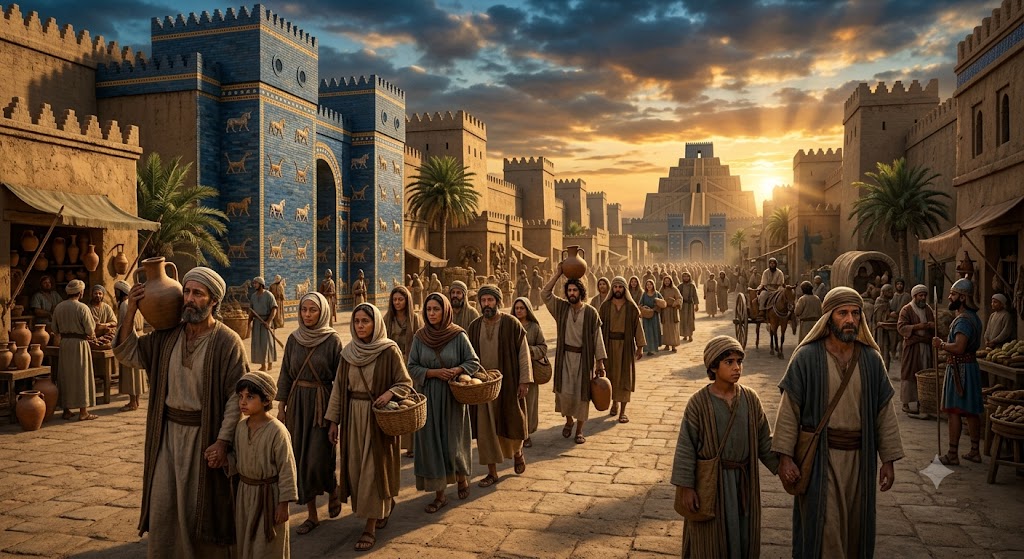
To understand this verse, we first need to understand the situation God’s people were facing.
The nation of Judah had turned away from God for many years. They ignored His warnings through the prophets and continued living in rebellion.
Eventually, Jerusalem was conquered by Babylon.
Thousands of people were taken from their homeland into exile.
Imagine losing your home.
Your country.
Your daily routine.
Your sense of security.
Everything familiar had suddenly disappeared.
Many Israelites believed God had abandoned them forever.
It was during this painful season that God sent a letter through the prophet Jeremiah to the people living in Babylon.
Instead of promising an immediate rescue, God gave them surprising instructions.
He told them to build houses.
Plant gardens.
Start families.
Seek the peace of the city where they were living.
Then came one of the Bible’s most comforting promises:
“For I know the plans I have for you…”
This wasn’t a promise that their problems would disappear overnight.
It was a reminder that God had not forgotten His people, even in exile.
What Does Jeremiah 29:11 Really Mean?

Many people read this verse as if it promises an easy life filled with success.
But that’s not what God was saying.
The Israelites would remain in Babylon for 70 years before returning home.
That means many people hearing Jeremiah’s letter would never personally see the fulfillment of the promise.
So why would God give such encouraging words?
Because His promise was about His faithfulness, not instant comfort.
God was assuring His people that their suffering was not meaningless.
He still had a purpose.
He still had a future prepared for them.
His covenant had not changed.
The same truth encourages believers today.
Even when we cannot understand our circumstances, God remains faithful.
Does This Verse Apply to Christians Today?
This is an important question.
Jeremiah 29:11 was originally written to the Israelites living in exile.
It was not written directly to every individual facing life’s challenges today.
However, the verse reveals timeless truths about God’s character.
Throughout Scripture we learn that:
- God is faithful.
- God keeps His promises.
- God works for His glory and the good of His people.
- God offers hope even in difficult seasons.
Romans 8:28 reminds believers:
“And we know that in all things God works for the good of those who love Him, who have been called according to His purpose.”
While our lives are different from Israel’s exile, we serve the same faithful God.
That is why Jeremiah 29:11 continues to encourage Christians around the world.
Three Powerful Lessons from Jeremiah 29:11

1. God Sees the Bigger Picture
We often focus on today’s problems.
God sees tomorrow.
He sees next year.
He sees eternity.
When life feels confusing, remember that God’s understanding is far greater than ours.
Proverbs 3:5–6 encourages us:
“Trust in the Lord with all your heart and lean not on your own understanding.”
Faith means trusting God’s wisdom even when we don’t understand His timing.
2. Waiting Is Not Wasted
One of the hardest parts of following God is learning to wait.
The Israelites waited seventy years.
Abraham waited decades for God’s promise.
Joseph waited through years of suffering before becoming Egypt’s leader.
David waited before becoming king.
Waiting has always been part of God’s work.
During seasons of waiting, God often shapes our character more than our circumstances.
The waiting itself becomes part of His plan.
3. Hope Is Stronger Than Fear
Jeremiah’s audience had many reasons to lose hope.
Yet God reminded them that despair would not have the final word.
The same truth speaks into our lives today.
Fear tells us that nothing will ever change.
Faith reminds us that God is still working, even when we cannot see it.
Hope is not pretending life is easy.
Hope is trusting God’s promises in the middle of uncertainty.
How Can You Apply Jeremiah 29:11 Today?
Instead of treating this verse like a lucky charm, allow it to shape the way you live.
When you feel anxious…
Remember that God is faithful.
When your plans fall apart…
Trust that God still sees the whole picture.
When prayers seem unanswered…
Keep praying.
Keep trusting.
Keep walking with Him.
God’s timing is often different from ours, but His faithfulness never changes.
Ask yourself these questions today:
- Am I trusting God’s plan or only my own?
- What fear do I need to surrender to Him?
- How can I remain faithful while I wait?
Sometimes the greatest act of faith is simply refusing to give up.
A Prayer Based on Jeremiah 29:11
Heavenly Father,
Thank You for reminding me that Your plans are always wiser than my own.
When life feels uncertain, help me trust Your perfect timing.
Give me patience when I want immediate answers.
Give me peace when fear tries to take control.
Teach me to believe that You are working even when I cannot see it.
Help me live each day with confidence in Your faithfulness rather than confidence in my circumstances.
Thank You for being the God of hope, mercy, and unfailing love.
May my life reflect trust in You wherever You lead me.
In Jesus’ name, Amen.
Final Reflection
Jeremiah 29:11 is far more than an encouraging quote.
It is a reminder that God remains faithful even when life feels uncertain.
The Israelites experienced exile.
You may be experiencing disappointment, grief, unanswered prayers, or unexpected change.
Although the circumstances are different, the character of God has not changed.
He is still sovereign.
He is still loving.
He is still trustworthy.
If you remember only one truth from this article, let it be this:
God’s plans are not always the quickest—but they are always guided by His perfect wisdom and faithfulness.
So don’t lose heart during seasons of waiting.
Continue seeking Him.
Continue trusting Him.
And remember that the God who was faithful to His people throughout Scripture remains faithful today.
May Jeremiah 29:11 inspire you not merely to expect a better future, but to place your confidence in the God who holds the future in His hands.